


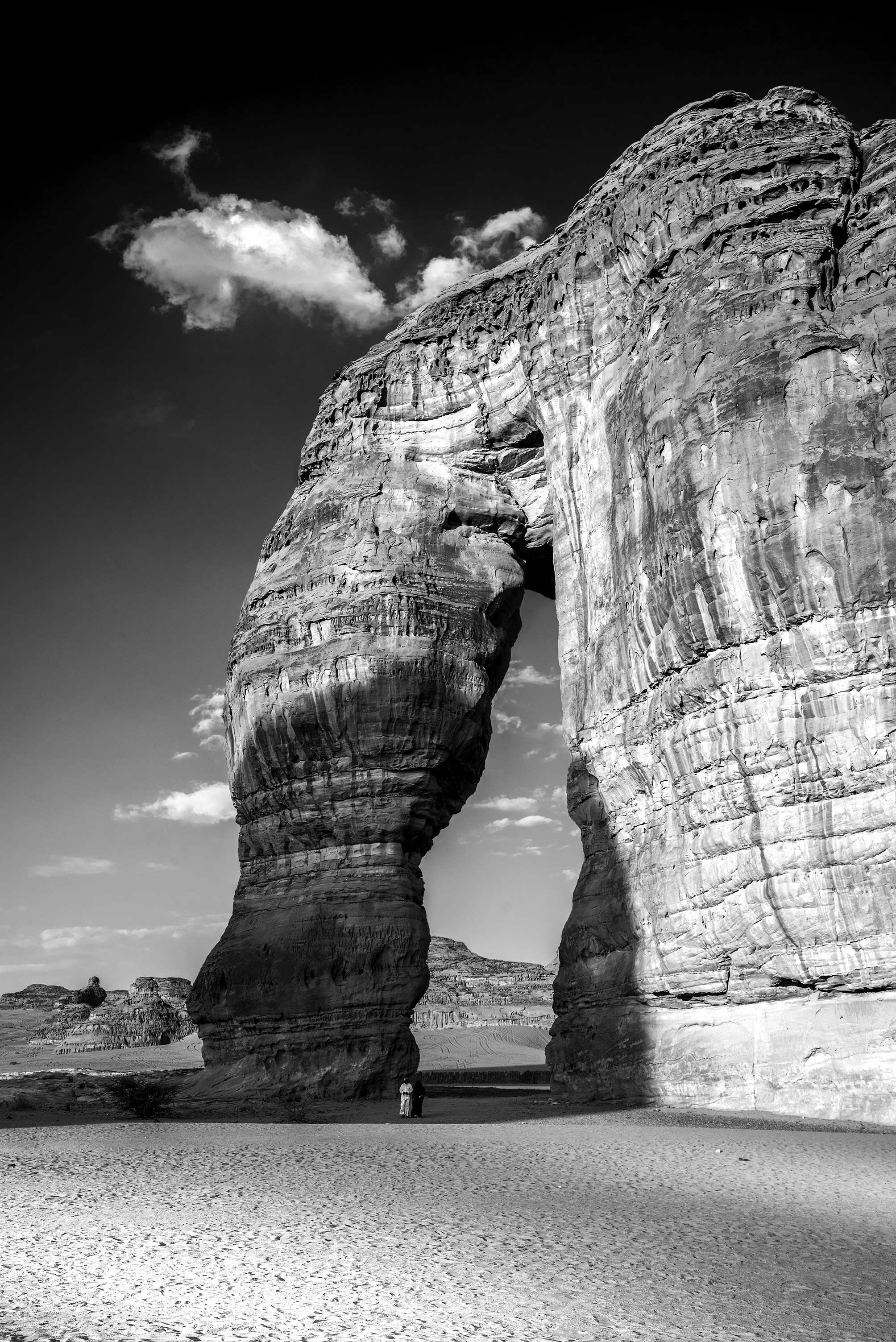
Nestled within the vast deserts of Saudi Arabia, AlUla is not merely a destination but a profound journey through the annals of human and natural history. This region, rich with cultural legacies and geological wonders, offers a unique glimpse into both the ancient world and the Earth’s primordial forces.
AlUla: A Cradle of Civilizations
AlUla’s strategic location in the Medina Region made it a focal point of commerce and culture through the ages. Home to ancient civilizations like the Deda, Lihyanites and Nabateans, it served as a vibrant conduit for the flow of goods, cultures, and beliefs along the well-trodden incense trading routes. Today, its archaeological sites offer silent yet eloquent testimony to its historical significance, with well-preserved relics and inscriptions that attract historians, archaeologists, and cultural enthusiasts from around the globe.

Sharaan Nature Reserve: A Commitment to Conservation
The Sharaan Nature Reserve illustrates Saudi Arabia’s dedication to preserving the natural and historical heritage of AlUla. This reserve, sprawling over 1,500 square kilometers, protects the unique geological and biological diversity of the area. It is a sanctuary for endangered species like the Arabian leopard and the Nubian ibex, emphasizing sustainable interaction with nature.
The efforts within Sharaan go beyond mere protection; they encompass a broader strategy of ecological restoration and environmental stewardship. Initiatives such as reforestation, controlled grazing, and the reintroduction of native flora and fauna aim to restore the ecological balance and ensure the survival of species that have dwindled in numbers over the centuries.
THE GEOLOGY OF ALULA, A SYMPHONY OF STONE
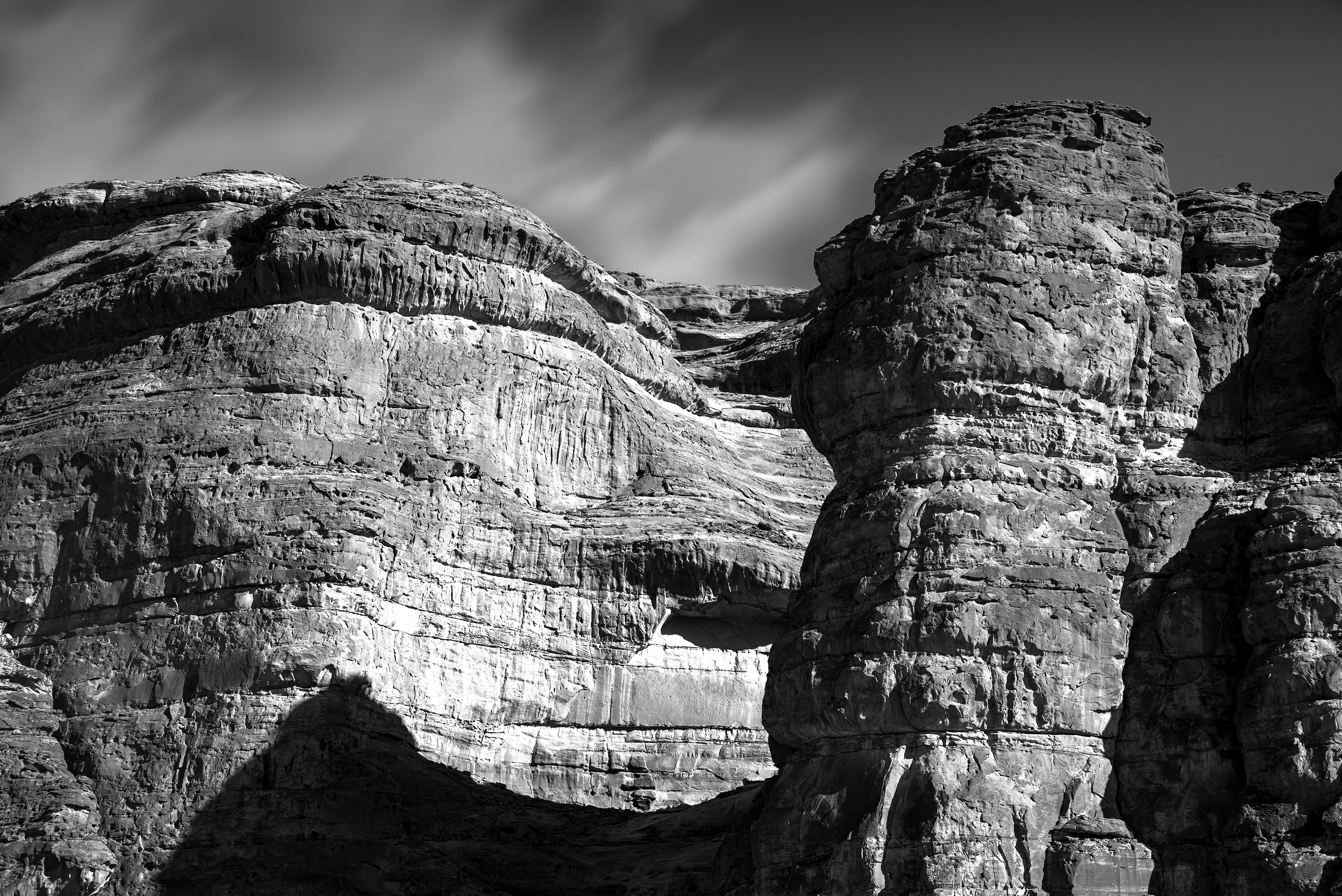
The geological tapestry of AlUla is a narrative of Earth’s evolutionary drama, composed over millions of years. The region’s most prominent features are its vast sandstone and limestone formations, which have been sculpted by the dual artisans of wind and water.

Geological Composition and Structure
These sedimentary rocks, primarily formed from sandstone, limestone, and shale, were laid down in a shallow sea that once covered the Arabian Peninsula. Over time, the withdrawal of the sea and subsequent exposure of the sedimentary layers to the elements allowed for the gradual sculpting of the landscape we see today.
Tectonic and Erosional History
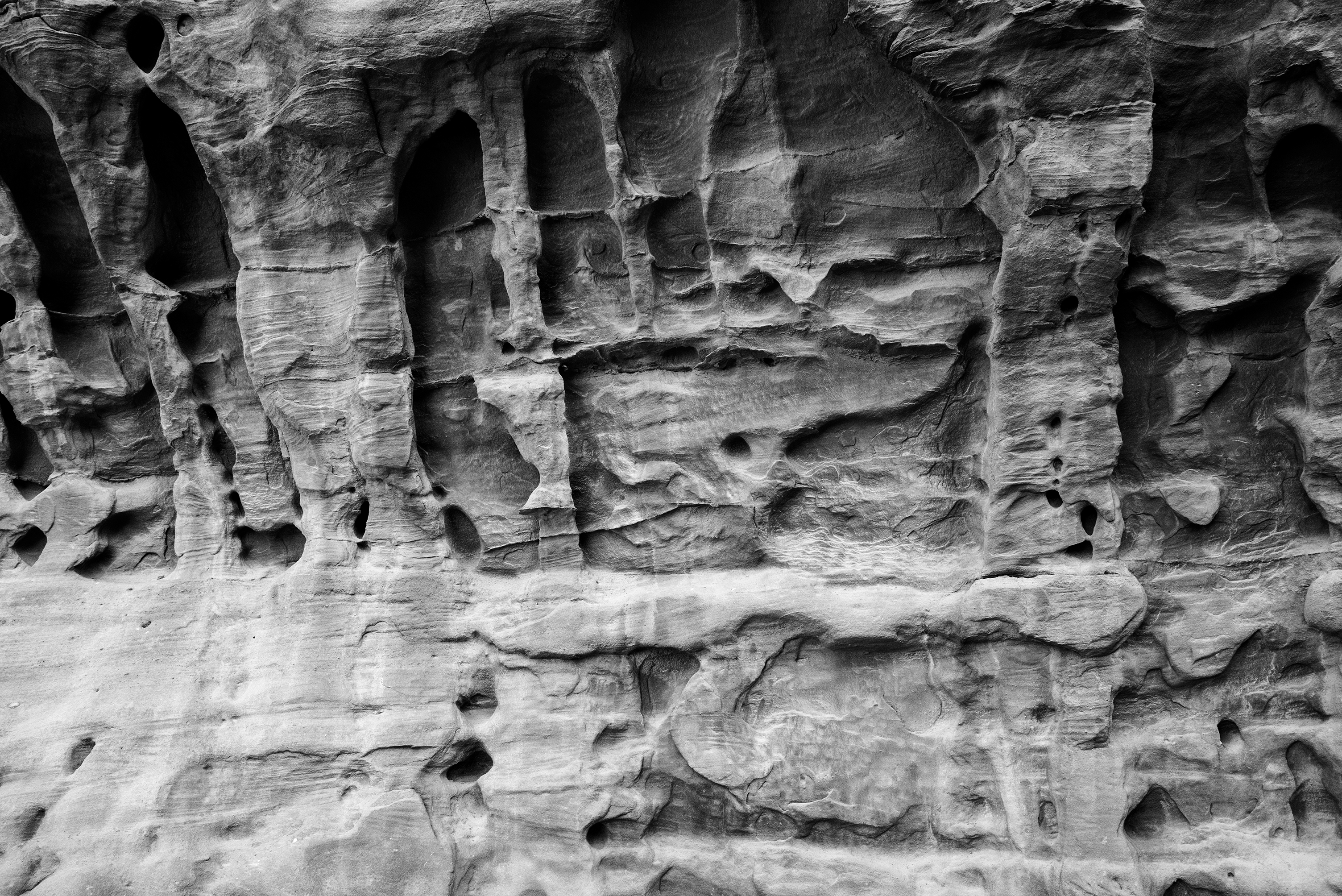
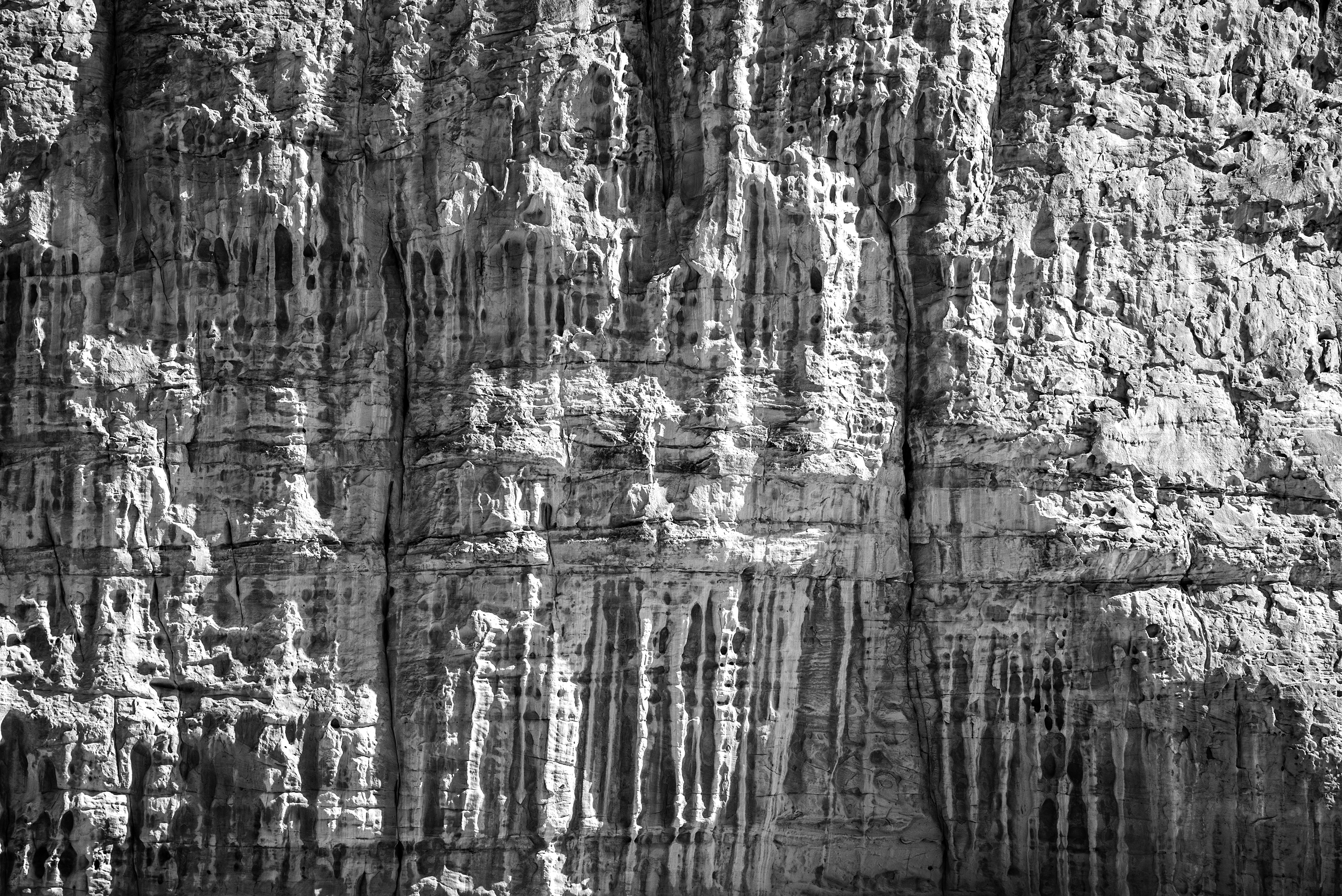
The creation of the Red Sea rift, a significant tectonic event, was instrumental in shaping the region. This rifting caused the Arabian Plate to split from the African Plate, leading to the uplift that formed the plateaus and escarpments characteristic of AlUla. Erosional processes have since carved out the dramatic cliffs, deep canyons, and towering pillars that define the region’s landscape.
Unique Features and Phenomena
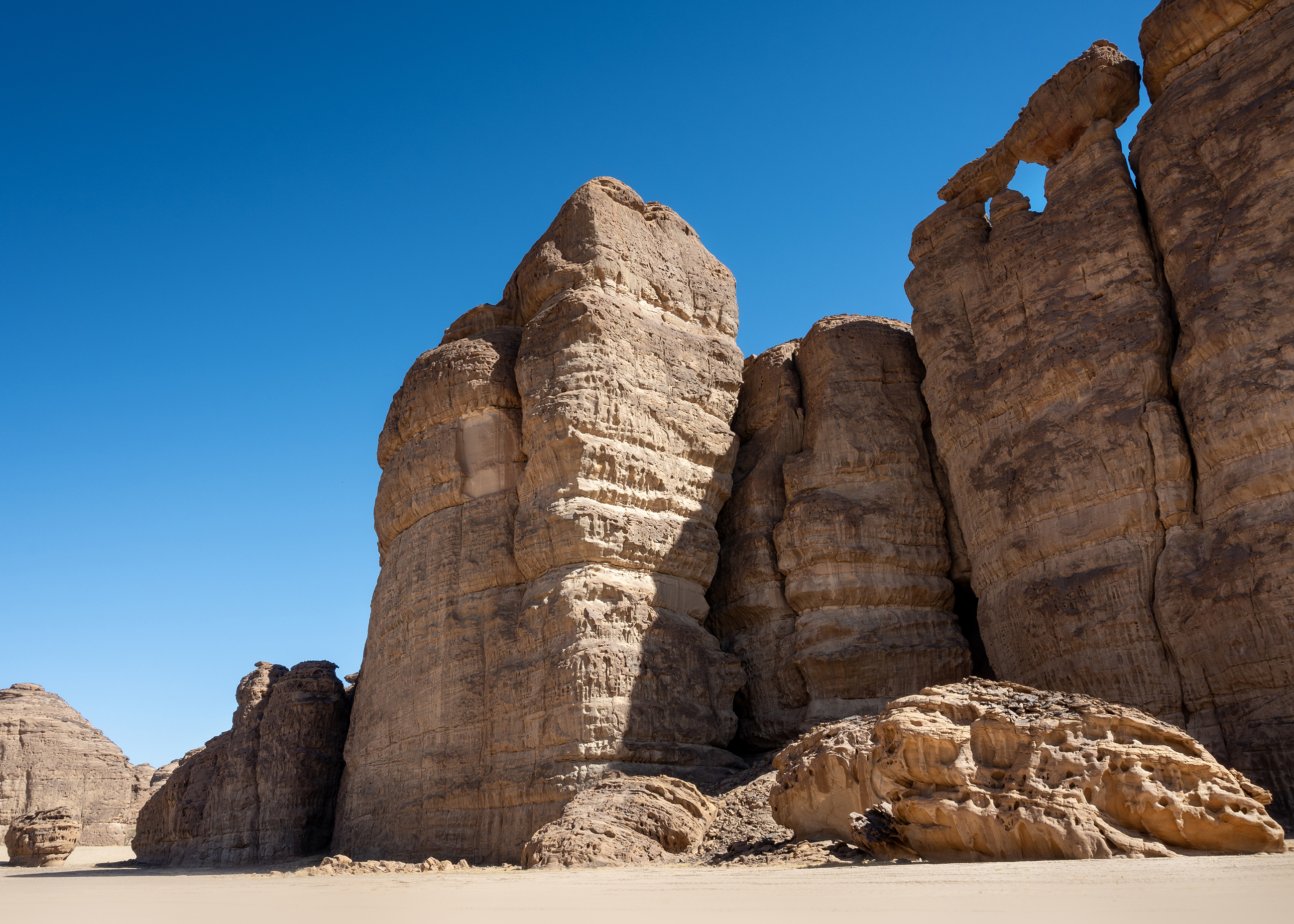
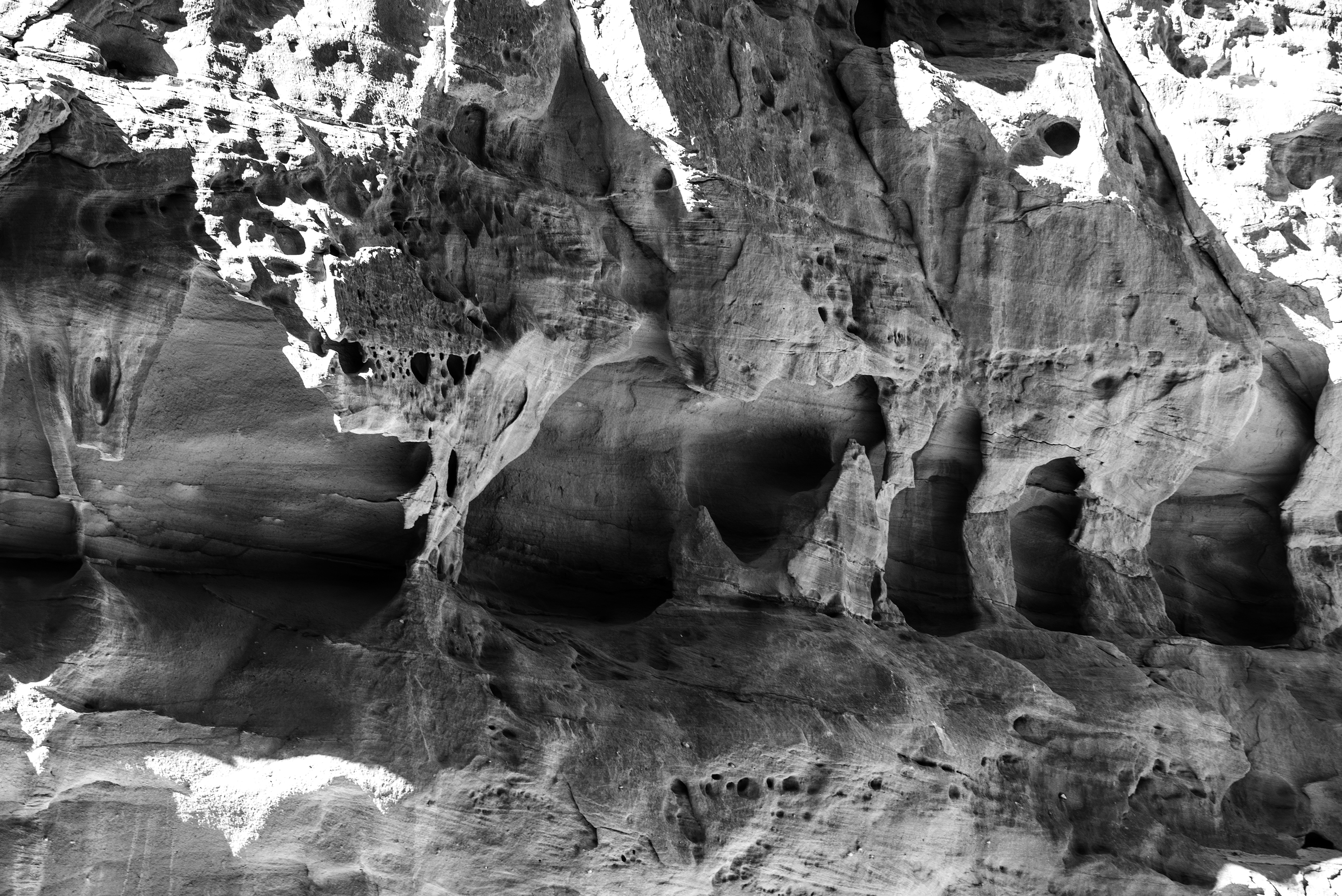
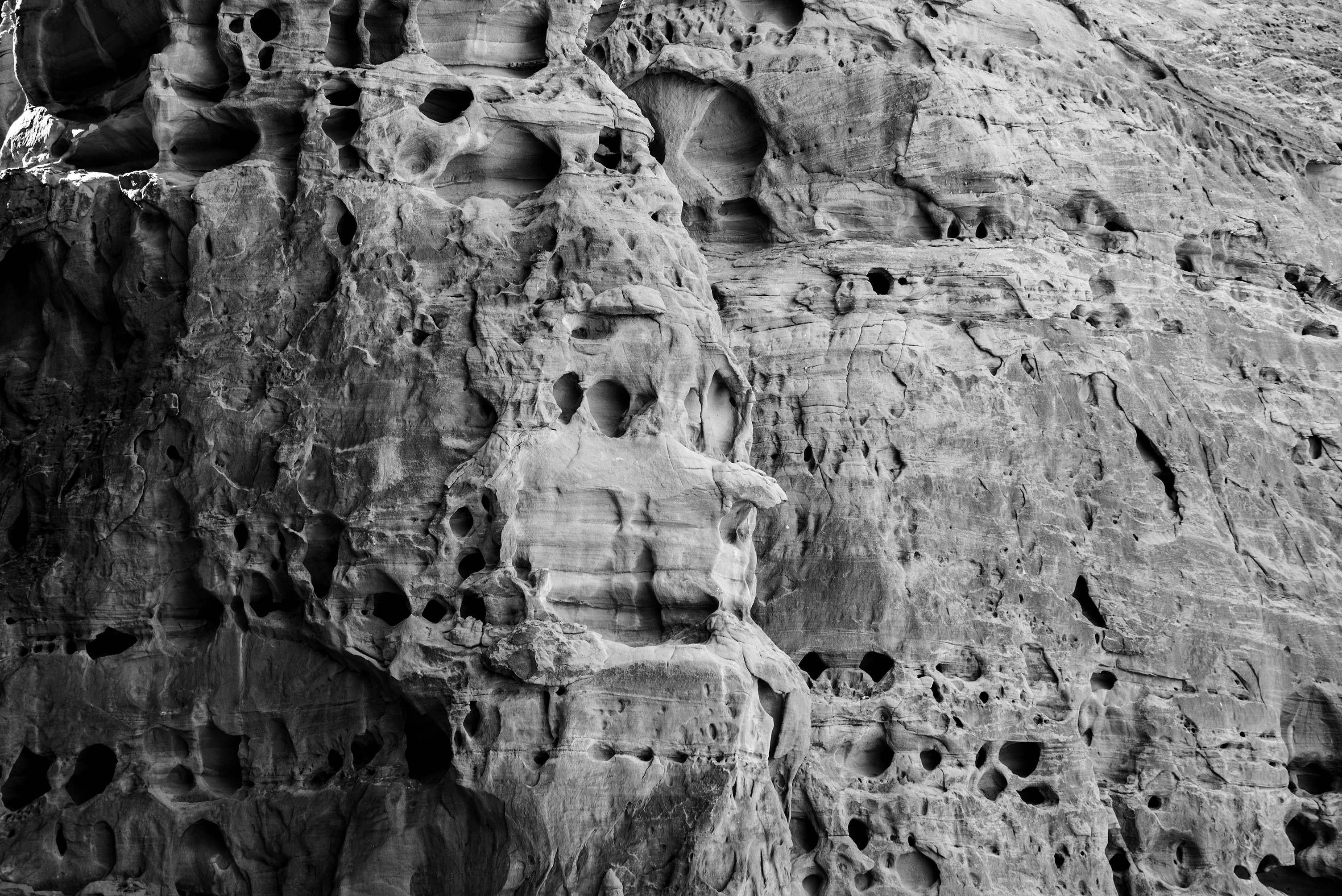
AlUla is renowned for its striking natural arches and monolithic towers. These features are the result of differential erosion, where softer rock erodes away leaving behind the harder layers. Notable among these is the Elephant Rock, a monolith that naturally resembles an elephant, and the intricate formations within the Sharaan Nature Reserve. The arches and towers not only serve as spectacular visuals but also provide insights into the past climatic conditions that influenced their formation.
My Personal Reflections: Witnessing AlUla’s Majesty
Visiting AlUla, I was struck by the seamless integration of natural beauty and historical depth. The geological formations, with their layers and textures, tell a story of time’s passage, offering a profound sense of connection to the natural world’s rhythm and resilience. Each rock formation and eroded archway seemed to hold a narrative of its own, etched into its strata over millennia.
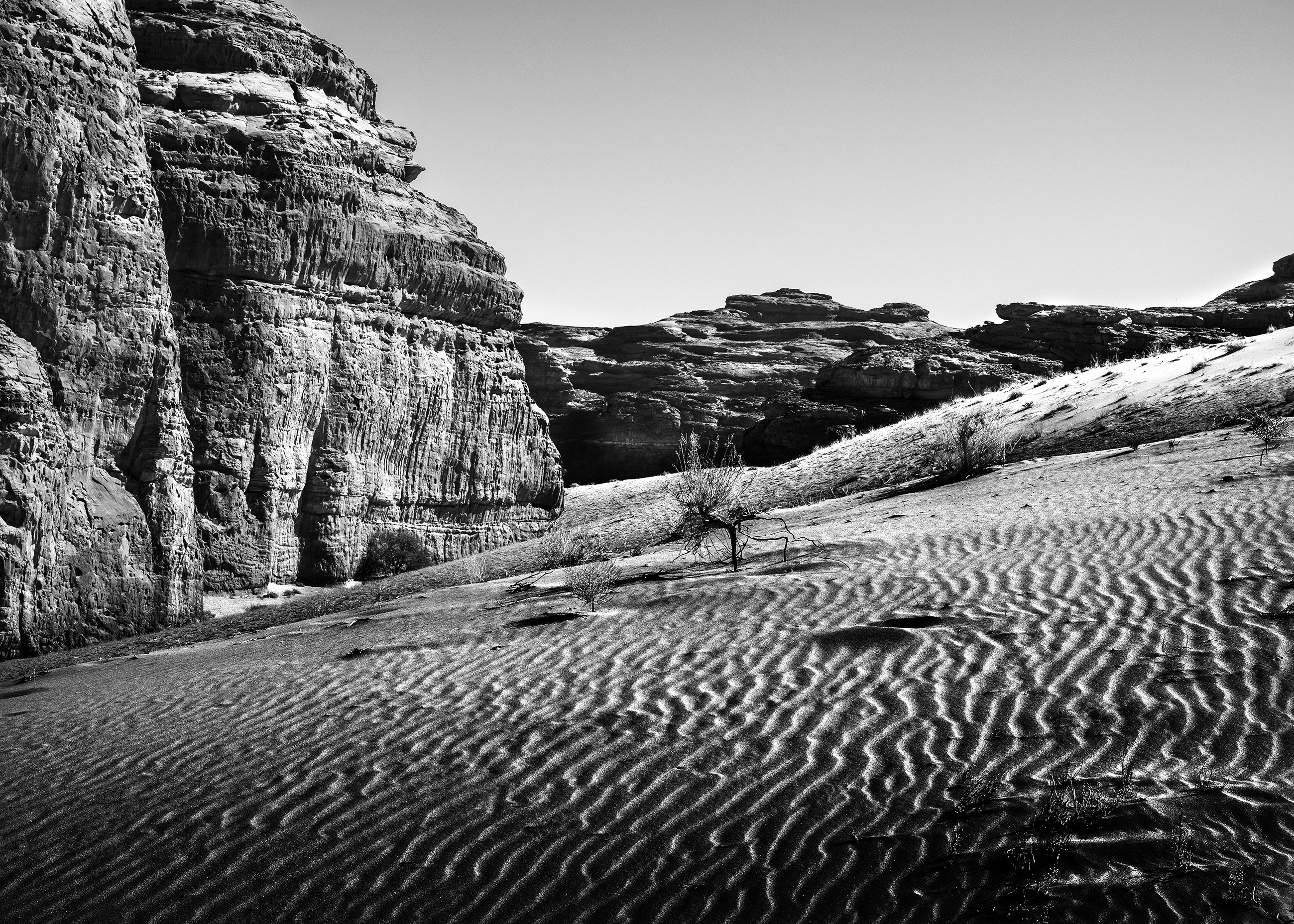
The scale of AlUla’s landscapes and the visible layers of history they contain inspired a sense of awe and wonder. It was a reminder of the enduring power of nature and the relatively fleeting presence of humanity in contrast to the geological epochs represented here.
Conclusion
AlUla stands as a beacon of how history, nature, and modern conservation efforts can converge to create a landscape that educates, inspires, and awes. The region not only preserves its ancient past but also embraces a sustainable future, making it a model for conservation and cultural preservation worldwide. For those who visit, AlUla offers a profound reminder of our place within Earth’s vast narrative and the responsibility we share in its stewardship.
.
 BASSEM H. BOUSTANY Photography
Leave a Reply